


Key Points
- Havering Council is pushing the government to establish a public register for contaminated sites nationwide.
- Arnolds Field in Launders Lane, Rainham, known as the ‘Rainham Volcano,’ is a former illegal landfill site declared contaminated after a judicial review in October 2025.
- The site has had recurring fires since 2013, with the fire brigade attending 160 times in three years.
- Soil analysis in November 2023 identified hazardous materials including asbestos, plastic bags, bricks, and more.
- The land was also previously used illegally as a weapons store and cannabis farm.
- Havering Council linked the fires’ smoke to increased respiratory issues and psychological stress among residents.
- The council initially did not declare the land contaminated but the High Court ruled this was a mistake due to incomplete data and legal misunderstandings.
- Council leader Ray Morgon supports backing the Zane’s Law campaign, aiming to protect communities and fund cleanup costs.
- Zane’s Law is named after a child reportedly killed by landfill gas in 2014 and has London Assembly backing since November 2024.
What is the ‘Rainham Volcano’ and why is it significant?
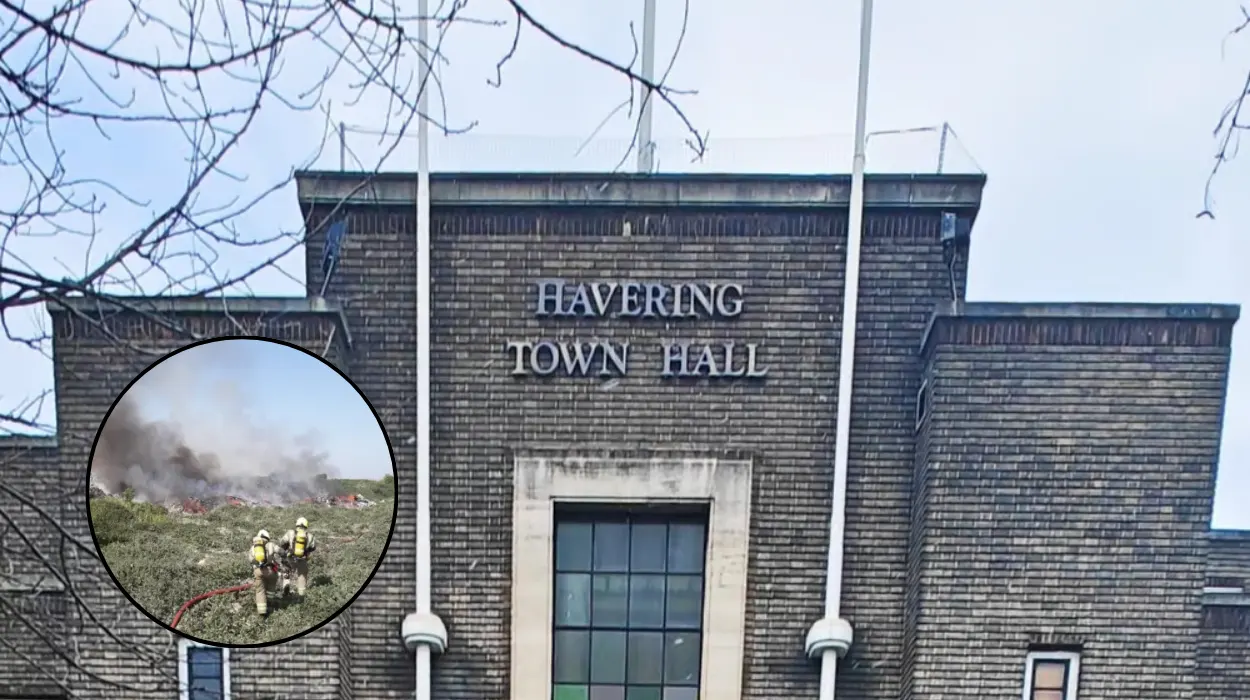
As reported by James Williams of the BBC, the Arnolds Field site in Launders Lane, Rainham, has become infamous as the ‘Rainham Volcano’ due to persistent fires that have plagued the area since 2013. This former illegal landfill site is littered with hazardous waste, which repeatedly ignites, causing serious environmental and health concerns. The fire brigade has been called out 160 times in just three years to battle these fires, highlighting the severity and ongoing nature of the problem.
Why has Havering Council called for a national contaminated sites register?
According to Helen Carter at The Guardian, Havering Council’s cabinet intends to support the national Zane’s Law campaign, which seeks to establish publicly accessible registers of contaminated sites across England. The council emphasises that such registers would increase transparency, protect residents, and help centralise responsibility for managing contaminated land. This call to action comes amid repeated hazards linked to sites like Arnolds Field, where outdated legislation and funding shortfalls leave local authorities struggling.
What did the judicial review reveal about the site’s contamination status?
Lucy Smith writing for The Independent detailed how a judicial review last October found that the council had mistakenly not declared Arnolds Field contaminated. The High Court ruled that officers had relied on incomplete data and a flawed interpretation of contamination laws, including wrongly assuming that toxic smoke from fires did not qualify as contamination. This judicial decision officially declared Arnolds Field as contaminated land, reinforcing previous community concerns.
What types of contamination have been found at Arnolds Field?
Soil analysis conducted in November 2023 uncovered a variety of dangerous substances, including asbestos fibres, plastic bags, crisp packets, bricks, cans, polystyrene, and asphalt. Furthermore, The Times’ environmental correspondent, Sarah Morgan, reported that the land has a 20-year history of illicit uses beyond landfill, such as functioning as an illegal weapons store and cannabis farm, compounding its hazardous status.
How have the fires affected local residents’ health and well-being?
Havering Council’s findings, cited by Helen Carter of The Guardian, highlight that smoke from the fires has released harmful particulates into the air, leading to increased GP visits among residents with pre-existing respiratory conditions. The council also acknowledged the psychological toll, noting that “repeated and persistent stress,” caused by uncontrollable fires and smoke, results in both negative mental and physical health reactions.
What is the stance of Havering Council leader Ray Morgon on this issue?
Ray Morgon, speaking exclusively to James Williams of the BBC ahead of the council cabinet meeting, emphasised the human impact and difficulties faced by local communities. He stated:
“We know how residents feel about the issue of contaminated land and the distress and damage it can cause to both physical and mental health. We also know how difficult it is to solve issues like this as legislation does not support the costs associated with making historic landfill sites safe for all those who live nearby.”
Morgon declared support for the Zane’s Law campaign an “easy decision” given its focus on community protection and funding cleanup efforts. He confirmed intentions to lobby the government and local MPs to advance the legislation.
What is Zane’s Law and why is it important?
Zane’s Law is named after seven-year-old Zane Gbangbola, whose parents claim he died from gas exposure at an old landfill in 2014. As reported by The Evening Standard, the campaign seeks to compel governments to create registers of contaminated land and ensure councils have adequate funding to manage them effectively. The London Assembly unanimously voted to back Zane’s Law in November 2024, indicating strong regional support.
What are the next steps for Havering Council and the government?
Havering Council’s cabinet is expected to formally back the Zane’s Law campaign in their upcoming meeting, signalling an official push for legislative change. As reported by Sarah Morgan, this move is intended to prompt national action on contaminated land registers, shift financial burdens away from local councils, and improve public health protections. The government’s response remains pending.
